Embracing Beauty: Celebrating Unique Facial Features in the Autism Community
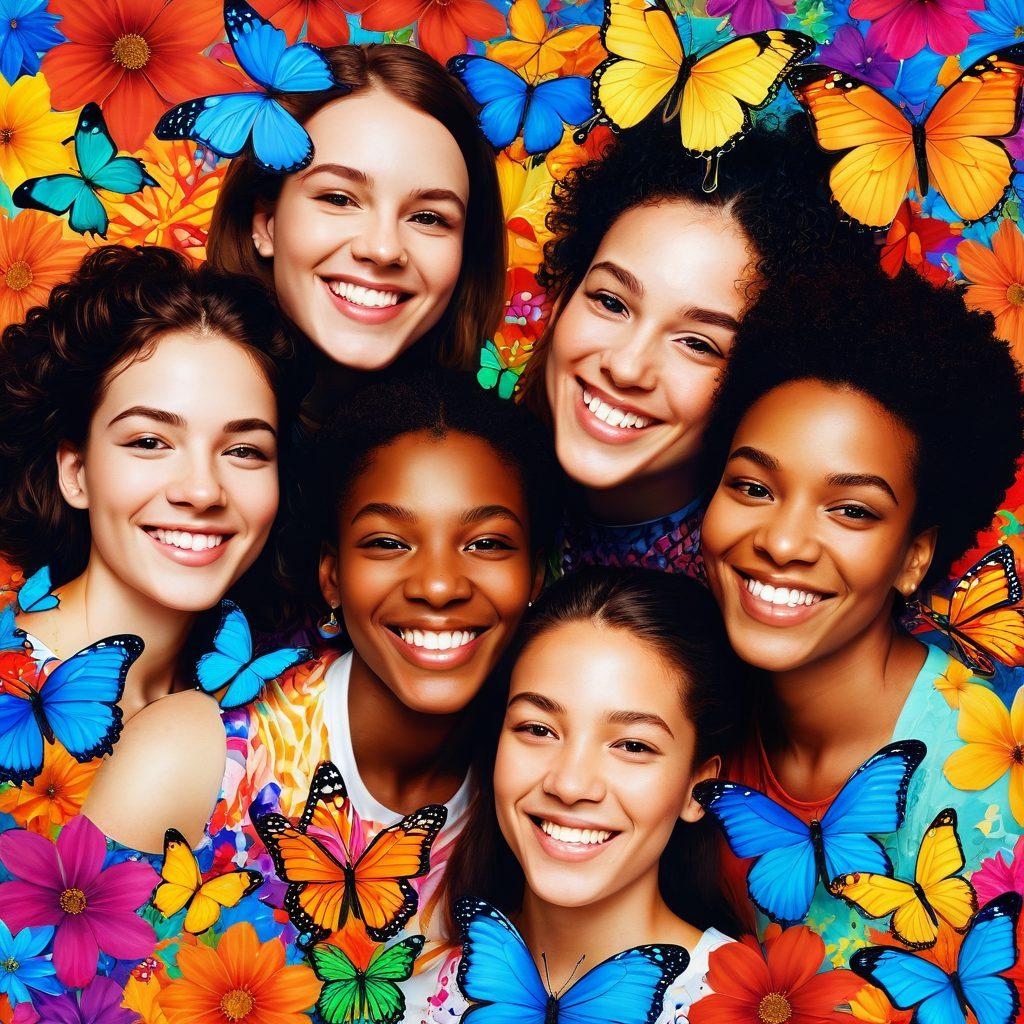
In a world that often leans towards conventional standards of beauty, the autism community invites us to broaden our understanding and appreciation of what it means to be beautiful. Celebrating diversity not only enriches our conversations around beauty but also illuminates the unique facial features that many individuals on the autistic spectrum possess. These features are not just markers of a condition; they tell a story, evoke emotions, and should be embraced as part of the lovely tapestry of humanity. So, how do we shift our perspective to recognize the attractiveness in unique appearances?
Each feature serves as a window into the personality and experiences of the individual. For someone with Asperger's syndrome, a unique smile or expressive eyes could convey feelings that words might not be able to articulate. Isn't it fascinating to think how a person can express their thoughts and emotions through their appearance alone? Our expressions can connect us, can tell others who we are, and remind us that beauty is not solely skin deep, but instead, a rich reflection of our experiences and personality. Imagine walking into a room and being welcomed by faces that embody warmth and authenticity—this is the power of expression!
The journey towards embracing the beauty of unique facial features in the autism community is one filled with advocacy, education for autism, and advocacy for autism acceptance. Recognizing that each individual with special needs brings their own unique set of characteristics is vital. Whether it's a facial feature shaped by sensory processing challenges or a unique way of communicating socially, we must push forward for inclusivity. Everyone deserves the chance to be appreciated for who they are, and it starts with conversations that spotlight the importance of unique appearances as a part of neurodiversity. Wouldn't the world be dull if we all looked the same?
Support for autism takes on many forms—family support, personalized care, access to autism resources, and community support groups that foster understanding and acceptance. These resources empower families and individuals while honoring differences in mental health and developmental disorders. When communities band together to uplift and empower autistic individuals, we cultivate an environment where beauty is defined inclusively, allowing all to shine. Just as flowers bloom differently in a garden, members of the autism community contribute vibrancy and richness to society. Are we not all deserving of such recognition?
Ultimately, celebrating diversity by embracing the beautiful, unique facial features within the autism community is about more than just appearance; it’s about understanding and appreciating the individual behind the face. It's about creating an atmosphere of love, acceptance, and support that transforms how we view beauty. When we prioritize inclusivity and advocate for those with special needs, we pave the way for a world where every person feels seen, valued, and beautiful in their own right. So let’s dare to see the beauty in diversity and redefine beauty standards together. What beautiful stories can you find in the faces surrounding you?
Radiating Confidence: Embracing the Natural Attractiveness of Autistic Traits
In today’s world, where beauty standards are often dictated by unrealistic ideals, it’s time we celebrate a different narrative—one that champions the unique facial features found within the autism community. You may have heard phrases like 'If only you could see the beauty I see' come up in conversations about neurodiversity. This perspective is indeed a game-changer, especially for those within the autistic spectrum, including individuals with Asperger's syndrome. These variations in appearance are not just lovely quirks; they are a testament to the beautiful tapestry of diversity that life has to offer.
Imagine walking into a room full of smiling faces, each radiating confidence in their own charming way. Consider how social communication can often be challenging within the autism community, but it can also cultivate an unparalleled depth of expression. Many individuals on the autism spectrum exhibit stunning facial features and expressions that reflect their true selves. Have you ever noticed how a laugh can light up the contours of one's face, or how an intense focus can reveal the dedication and passion that lies beneath? Such moments remind us that beauty is so much more than mere appearance; it’s about the essence of who we are.
One of the most uplifting aspects of advocating for autism acceptance is the emphasis on support for autism at every level. This includes mental health resources, personalized care, and education for autism that focuses not only on abilities but also on celebrating differences. Many families in the autism community often face challenges due to societal misperceptions. Yet, by fostering inclusivity and advocacy, we can redefine beauty standards and promote a narrative where neurodiversity shines brightly. By embracing these differences, we build a foundation that not only uplifts the individual but also encourages society to see and appreciate the beauty in diversity.
As you explore the journey of autistic traits, think about the role of sensory processing in shaping one's appearance. Take a moment to ponder: how do our senses influence our expressions? Whether it's the way one’s gaze anchors a conversation or how the nuance of a smile communicates warmth, these features hold more power than we often recognize. Each one tells a unique story of resilience and individuality. It’s these distinctive facial features that create a connection and foster belonging within our communities, enhancing the lovely tapestry of the human experience.
In conclusion, let’s celebrate not only the lovely appearances of those on the autistic spectrum but also the charm and character those features embody. This journey towards embracing beauty isn’t just about acceptance; it’s about fostering an environment where everyone feels valued and loved. The autism community is rich with extraordinary individuals who radiate a refreshing type of confidence and attractiveness that can remind us all of what really matters—being true to oneself. So next time you meet someone, take a moment to appreciate their unique expression, and you might just discover a whole new perspective on what beauty truly means.
From Advocacy to Acceptance: How Facial Expression Reflects the Unique Journey within Neurodiversity
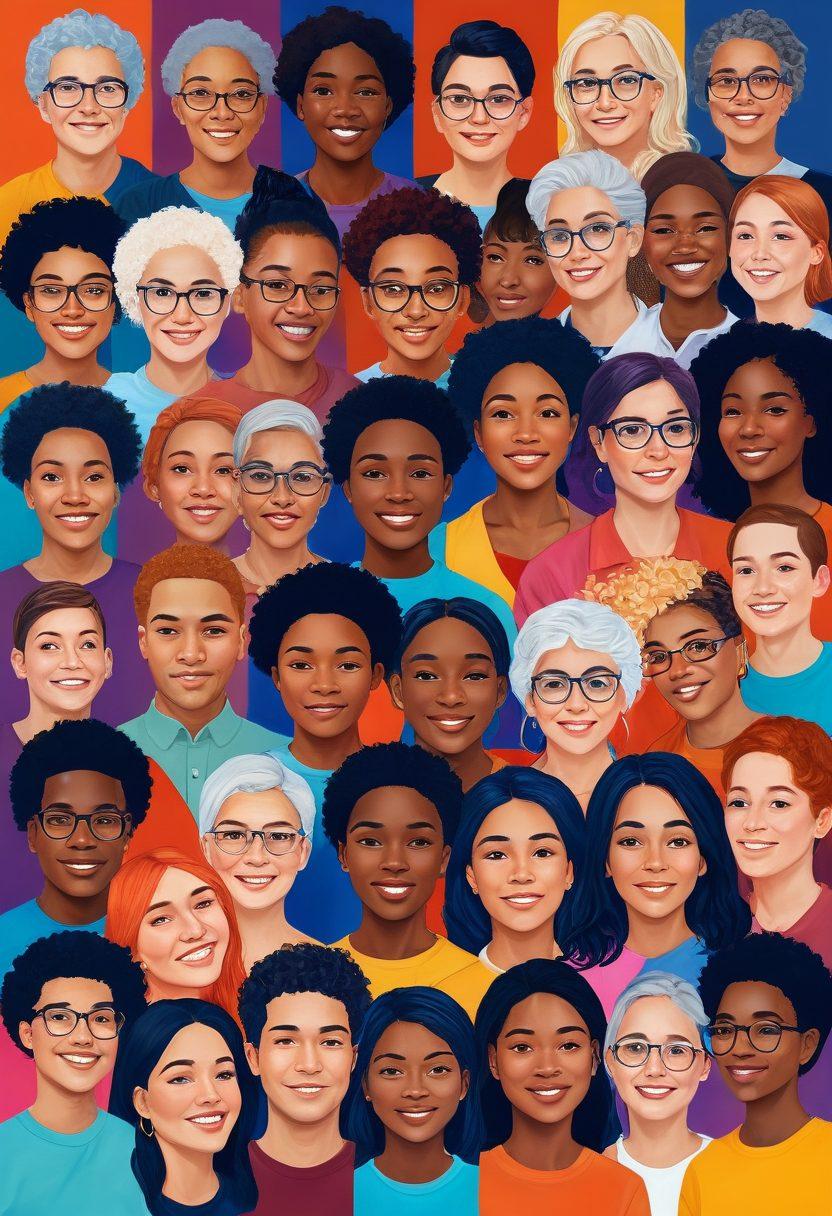
In a world that often emphasizes conformity, embracing the unique facial features of individuals on the autistic spectrum can feel like a revolutionary act of love and acceptance. Have you ever stopped to consider how facial expression can reflect a person’s journey through life, particularly for those diagnosed with developmental disorders? The truth is, every smile, frown, or raised eyebrow tells a story. It speaks to the rich tapestry of experiences and emotions that make up their life. In the autism community, where social communication can sometimes be challenging, these expressions serve as a window into their soul, allowing us to connect on a deeper level.
Imagine standing in front of a beautiful sunset; the colors are vibrant, yet they blend together in ways that make the scene profoundly unique. Just like that sunset, the various facial features of individuals with autism contribute to a rich diversity of beauty. Someone recently said, "It’s not about the symmetry; it’s about the story written on our faces." This perspective invites us to rethink conventional standards of attractiveness. Instead of striving for uniformity, we can celebrate the individuality that every person brings to the table, which is particularly significant within the realm of neurodiversity. The importance of autism acceptance cannot be overstated, as it bridges gaps and fosters understanding in families and communities alike.
For those with Asperger's syndrome or other special needs, the journey often involves navigating not just their own identities but society’s perceptions of them. The notion of inclusivity propels forward the idea that everyone deserves love and support regardless of how they may express themselves. Within the autism community, we bear witness to individuals who might find it difficult to express their thoughts verbally, yet communicate volumes through their expressive faces. This chiefly emphasizes why education for autism is crucial — fostering awareness and understanding can dismantle stereotypes while providing invaluable support groups for families. Together, we can create an environment where every child feels like they belong, no matter how they appear or communicate.
One of the most empowering aspects of advocating for autism acceptance is sharing the incredible resources available to help support mental health and therapy for those on the autistic spectrum. Personalized care can make all the difference, highlighting strengths rather than focusing solely on challenges. The sensory processing that many individuals experience can sometimes result in unique facial expressions that can be misinterpreted. By educating ourselves, we can better appreciate the intricate world of emotions that these expressions convey. Let’s keep the conversation going by asking ourselves, “How can we offer support for autism in our daily lives?” Whether that means volunteering with autism awareness initiatives or simply being more present to those around us, each small action contributes to a larger impact.
So, what can we do moving forward? It's time to amplify voices within the autism community, sharing stories and embracing facial features that tell a tale of resilience and beauty. Our world thrives on the idea of advocacy, but it’s more than just speaking up; it’s about creating a culture of acceptance. By showing genuine interest in others’ experiences — through support for autism initiatives, engaging with families of individuals with developmental disorders, and promoting education for autism in schools — we can help reshape perceptions. The goal should always be to build bridges through empathy, and as we encourage more conversations about mental health and neurodiversity, we can create spaces that are truly inclusive and celebrate the lovely uniqueness of each individual.